
About Filadelfio
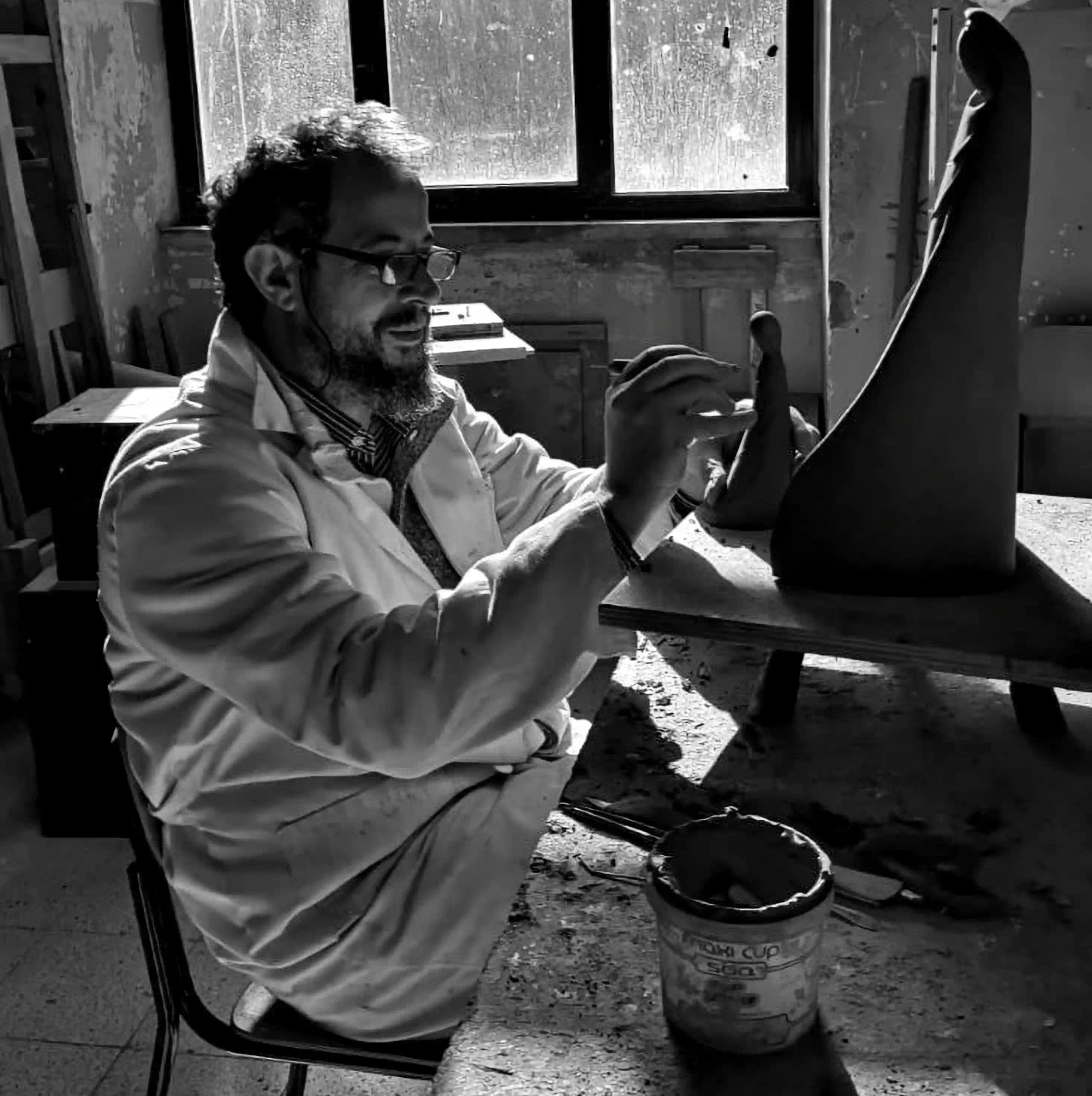
Filadelfio is an independent ceramic studio rooted on the northern coast of Sicily and built around the sculptural practice of Italian ceramic artist Filadelfio Todaro. For more than three decades, Todaro has explored clay not merely as a decorative medium, but as a primary sculptural language through which volume, balance, weight, and ancient Mediterranean proportions can be articulated.
Read the full storyShow less
Born in San Fratello, Sicily, in 1964, Todaro began his formal training at the prestigious Institute of Ceramic Art in Santo Stefano di Camastra—a historic Sicilian ceramic center renowned since the Renaissance for its terracotta workshops. He later deepened his artistic inquiry at the Academy of Fine Arts in Palermo, graduating with a degree in Sculpture. This dual foundation in master craftsmanship and classical fine arts defines his entire body of work: a practice positioned at the intersection of archaeological resonance, master pottery, and contemporary sculpture.
Form Preceding Decoration
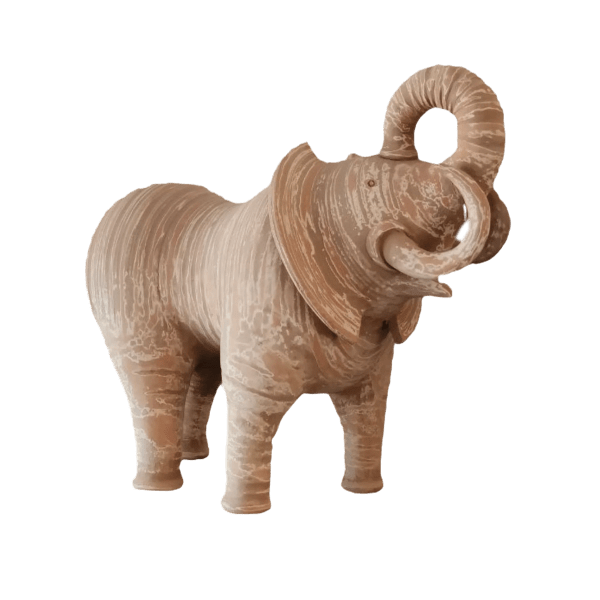
While Sicilian ceramics are internationally famous for vivid polychrome maiolica patterns, Todaro deliberately chose a different path. Rather than relying on traditional decorative codes, he strips the surface back to let the architectural presence of the vessel or figure emerge. His work reinterprets Sicily's centuries-old ceramic heritage through a contemporary sculptural sensibility in which form, texture, and silhouette take precedence over ornamental surface.
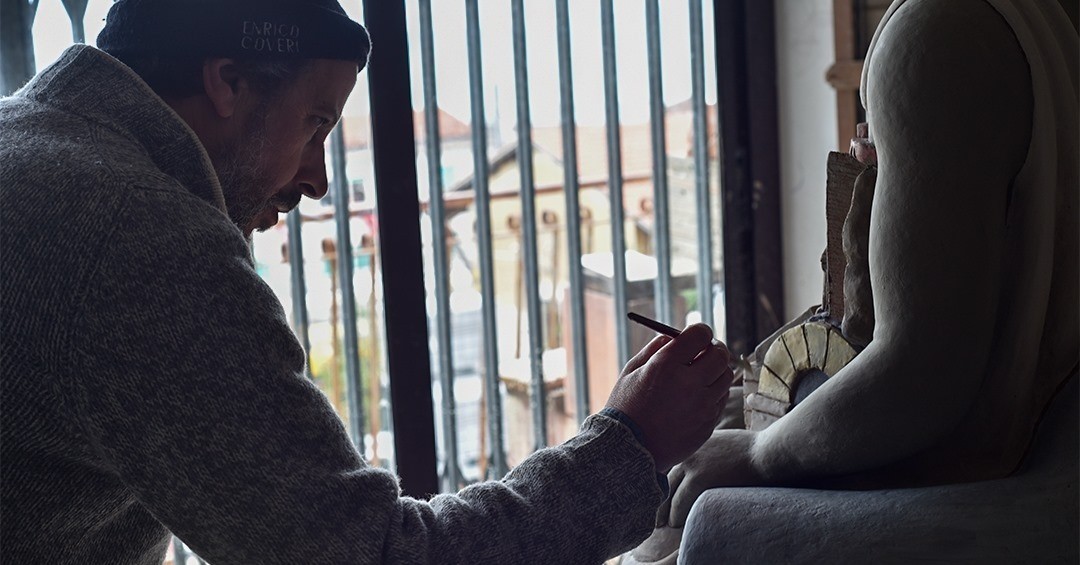
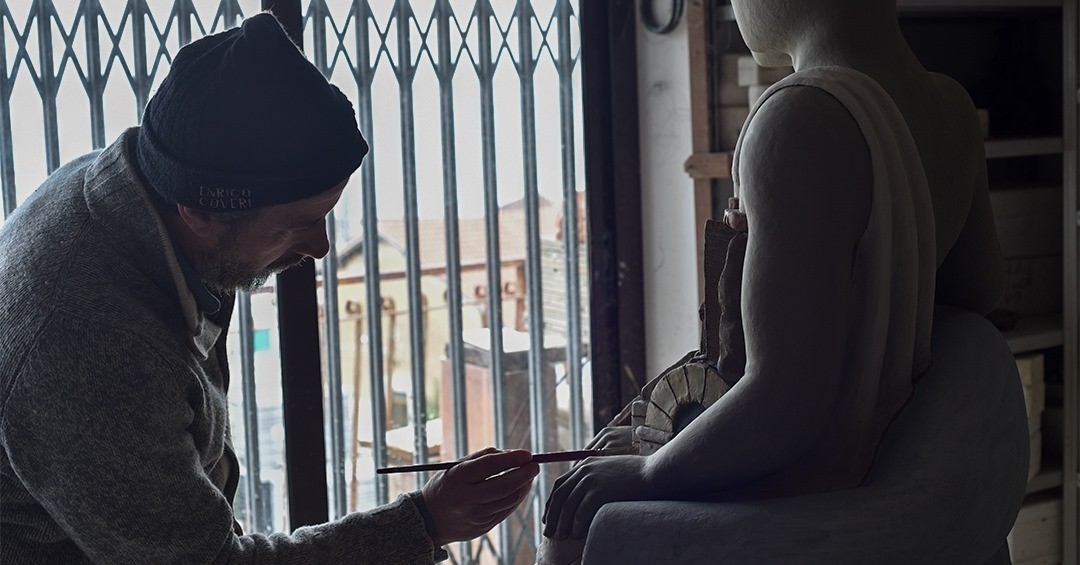
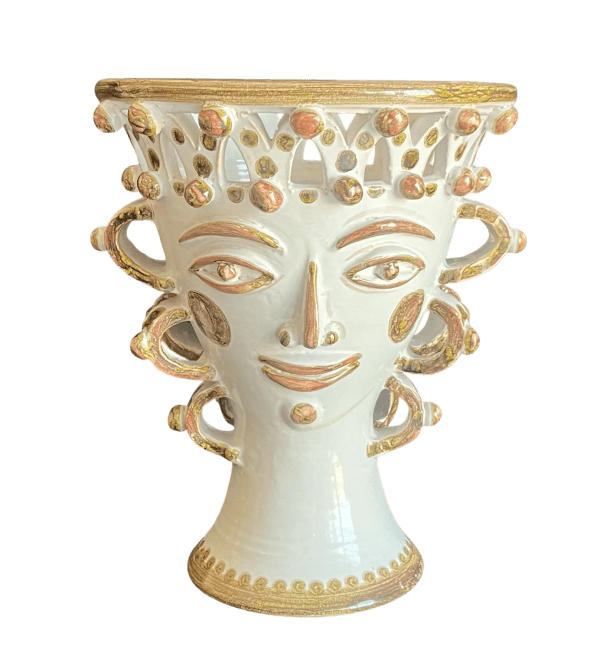
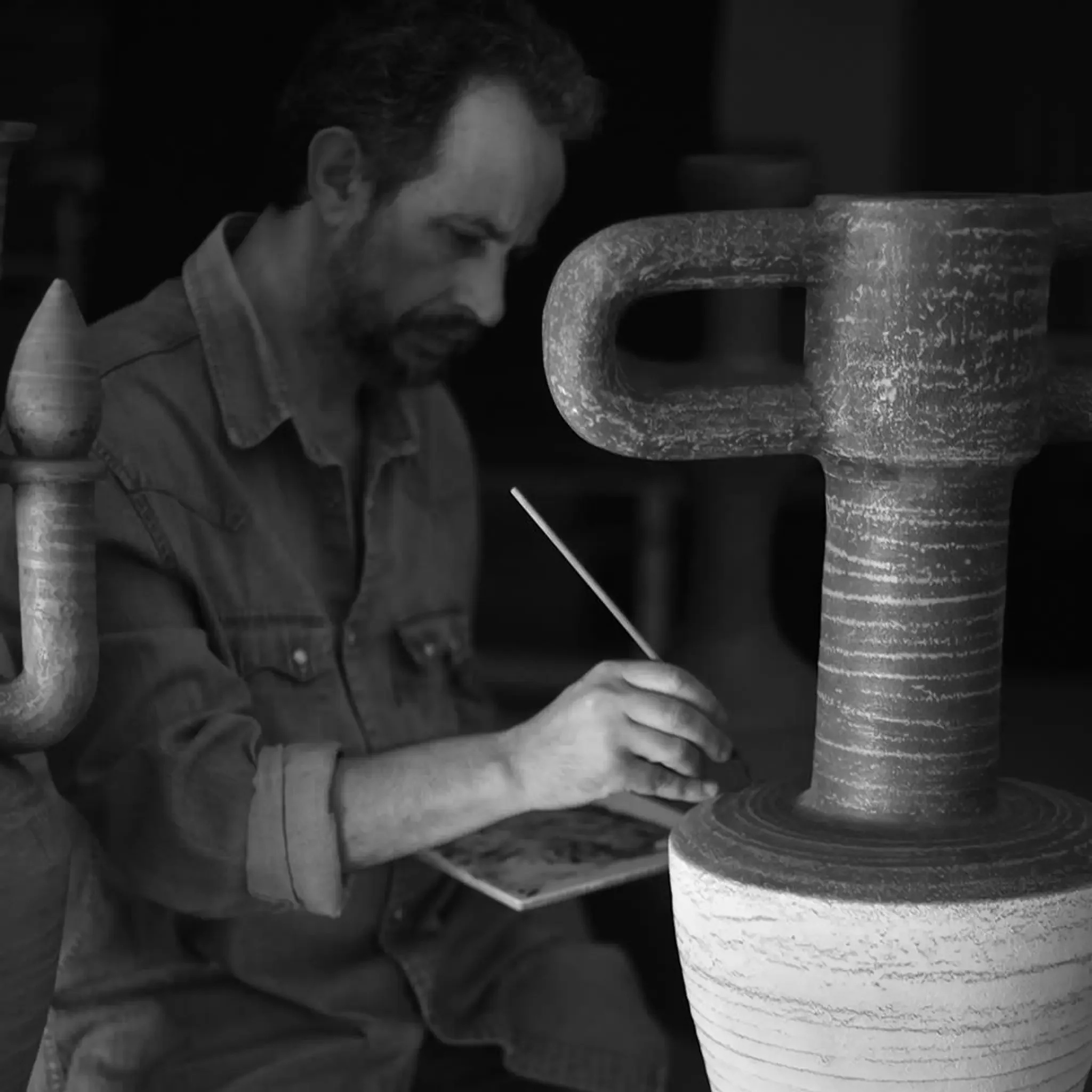
His practice spans functional centerpieces, interior objects, and monumental sculptures, utilizing materials ranging from coarse terracotta and stoneware to refined white clay and porcelain. Every work is wheel-thrown, hand-built, or sculpted entirely by hand in his Caronia studio, with the subtle variations and tactile irregularities of the clay celebrated as integral to each piece's character.
The Engobe Technique & Material Philosophy
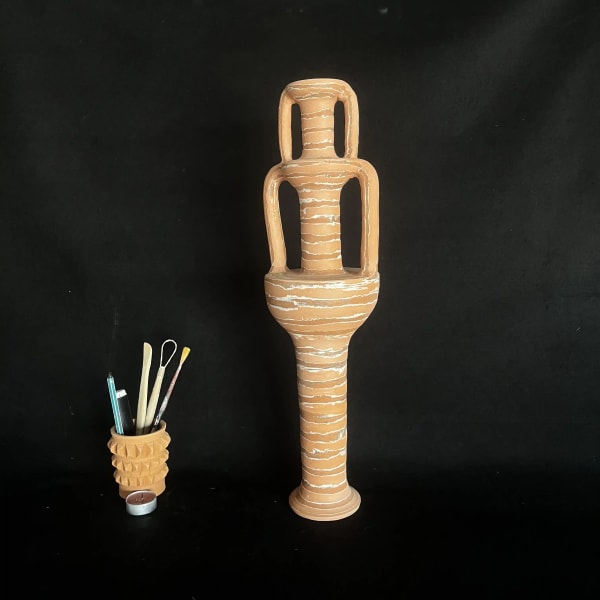
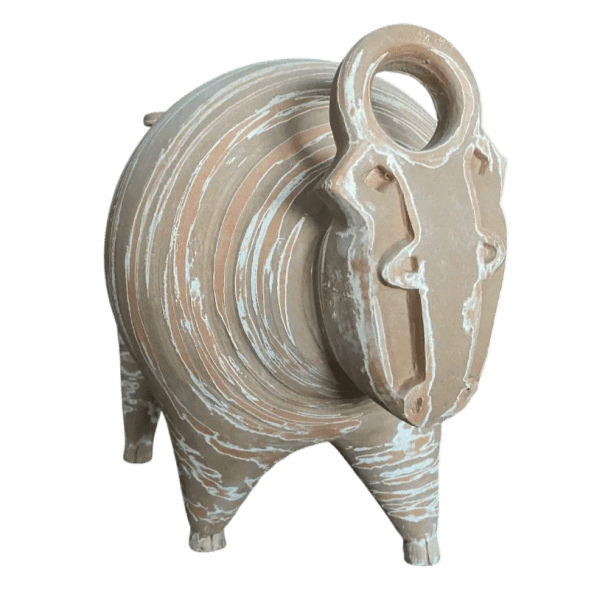
A hallmark of Filadelfio's sculptural language is the traditional engobe technique. In this labor-intensive process, successive layers of liquid slip (liquid clay enriched with natural earth pigments and minerals) are poured over the raw terracotta body before firing. Once applied, the layers are gently abraded by hand, revealing the underlying body and creating a softly weathered, ancient patina reminiscent of archaic Mediterranean statuettes unearthed after centuries.
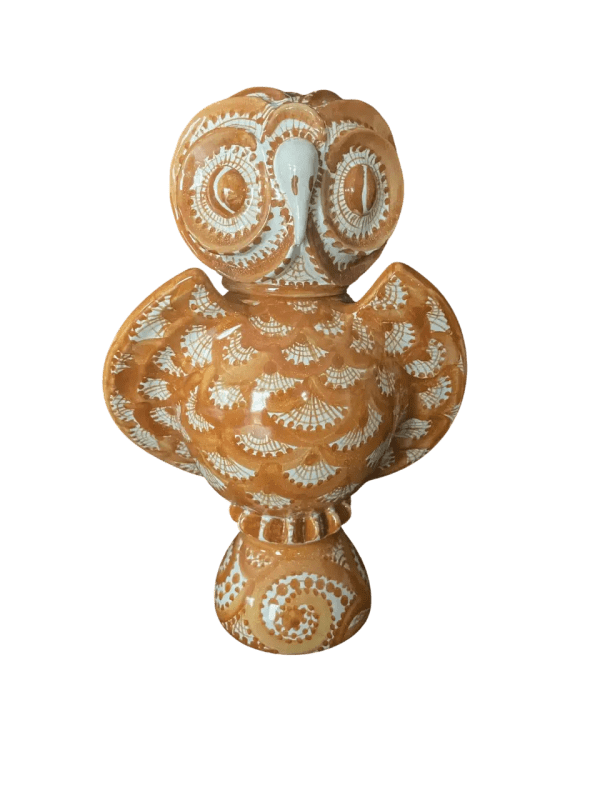
In his zoomorphic works—such as his celebrated owl bottles—he pairs this tactile stoneware with hand-brushed cobalt blue and dark green oxides over white glazes, creating a striking dialogue between utility and mythic form. The sculpted heads of the owl vessels detach to serve as individual drinking cups, turning an imposing sculptural centerpiece into an intimate ritual object.
Museum Collections & International Recognition
Throughout his career, Filadelfio Todaro's sculptures have been exhibited extensively throughout Italy and across international design capitals, including Venice, Paris, Frankfurt, Malmö, Dubai, New York, and Tokyo. His works are held in permanent public and museum collections, including the MUDIS Museum (Museo della Ceramica) in Santo Stefano di Camastra and a distinguished museum collection in Nuremberg, Germany.
His sculptural ceramics have frequently appeared in leading Italian design and architectural publications, including Architectural Digest (A.D.), Brava Casa, Casaviva, and Panorama Travel.
Today, from his sunlit workshop in Caronia overlooking the Tyrrhenian Sea, Maestro Todaro continues to craft one-of-a-kind ceramic works—sculptural objects that remain unmistakably tethered to their Mediterranean lineage while speaking fluently to contemporary interiors.